Illusions, odds and math toys you can check for yourself
Optical illusions with their fill values laid out, probability puzzles worked exactly and then rerun, classic simulations you can pause and break, and recreational math from bridge walks to the Mandelbrot set.
Run these yourself
Each page holds a figure you can play, step or reset. Nothing moves until you press Play.
- Probability Playground · interactive
Birthday Paradox: 23 People Make 253 Pairs That Can Match
- Probability Playground · interactive
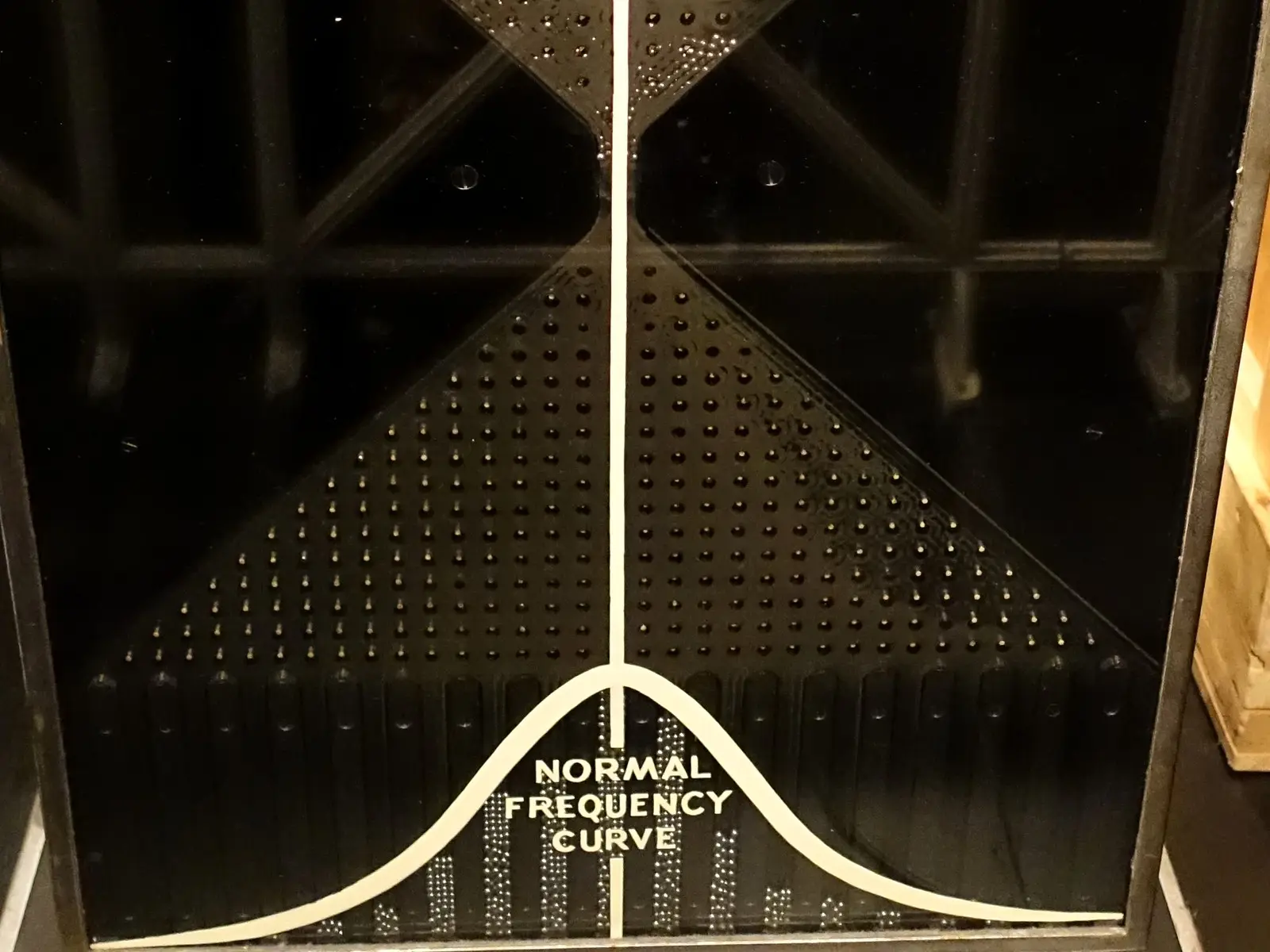
Galton Board: On a Fair Board, the Bell Is a Count of Paths
- Explorable Simulations · interactive
Conway’s Game of Life: A Glider Gun Fires Every 30 Steps
- Explorable Simulations · interactive
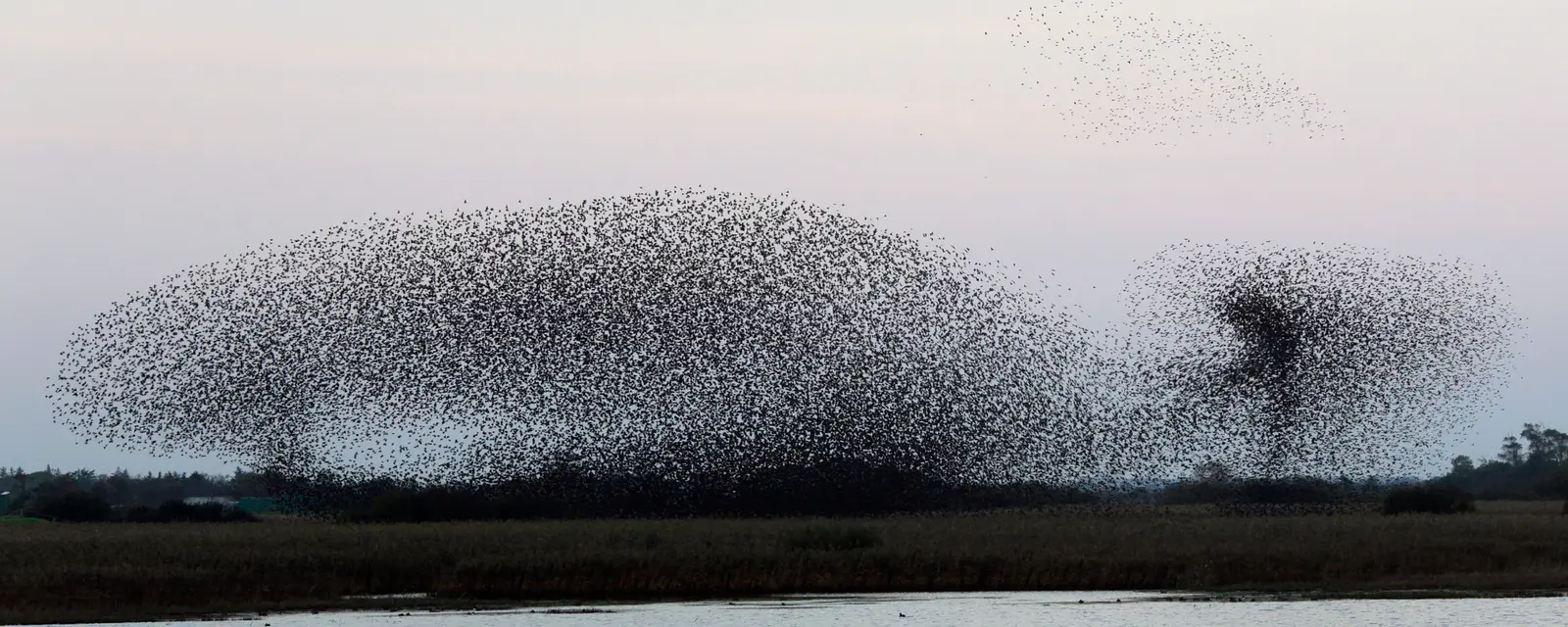
Murmuration: Starlings Track a Count, Not a Distance
- Puzzles, Fractals & Math Toys · interactive
Mandelbrot Set: Exact Area Still Unknown as of 2026
Four sections
-
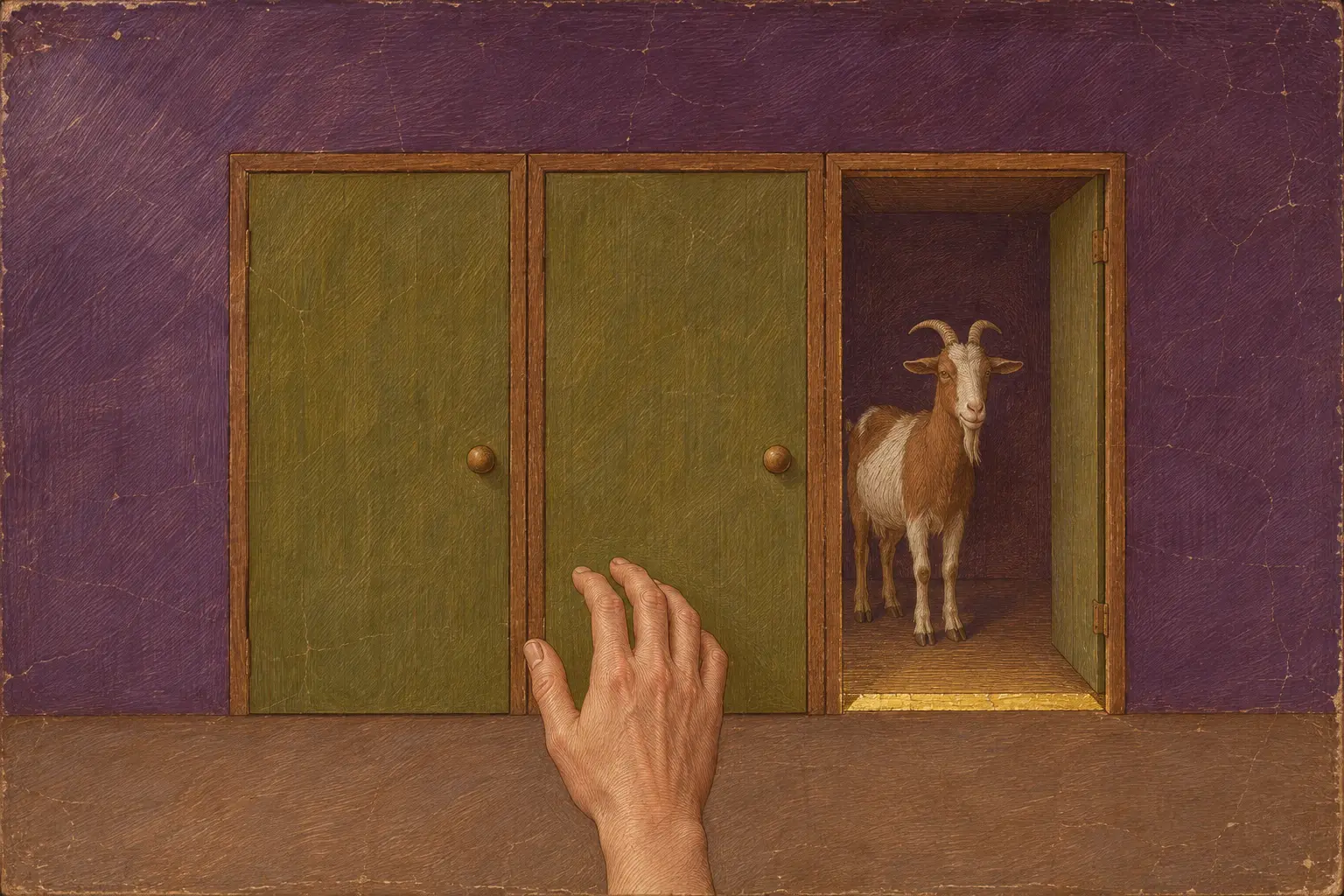
Probability Playground
Counterintuitive probability puzzles worked out exactly, then checked against seeded simulation runs; teaching only, never betting advice. 5 entries
-
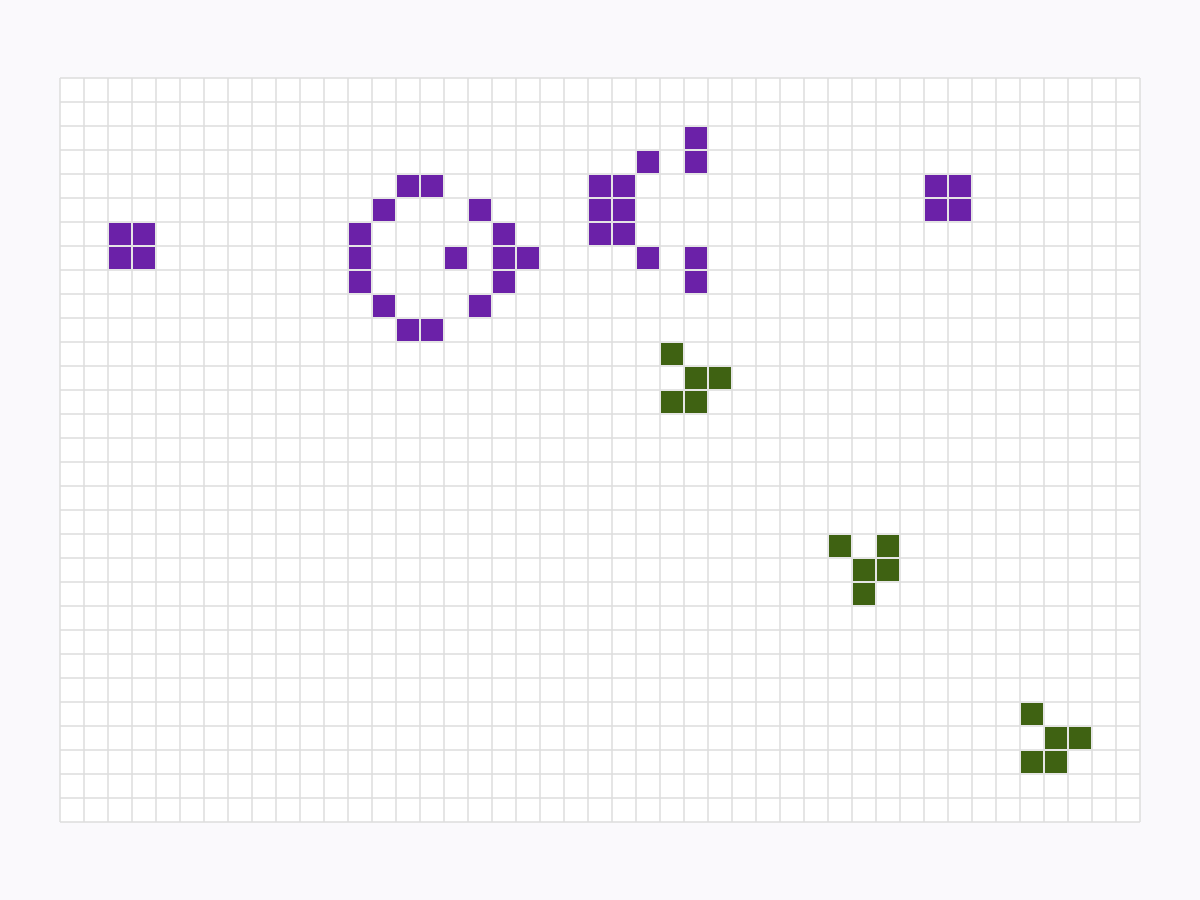
Explorable Simulations
Classic published models rebuilt so you can run, pause and break them: cellular automata, flocking, chaos and road networks. 4 entries
-

Look Again
Geometric, brightness and figure-ground illusions, with the drawing's coordinates and fill values laid out so the effect can be checked against what is actually there. 4 entries
-
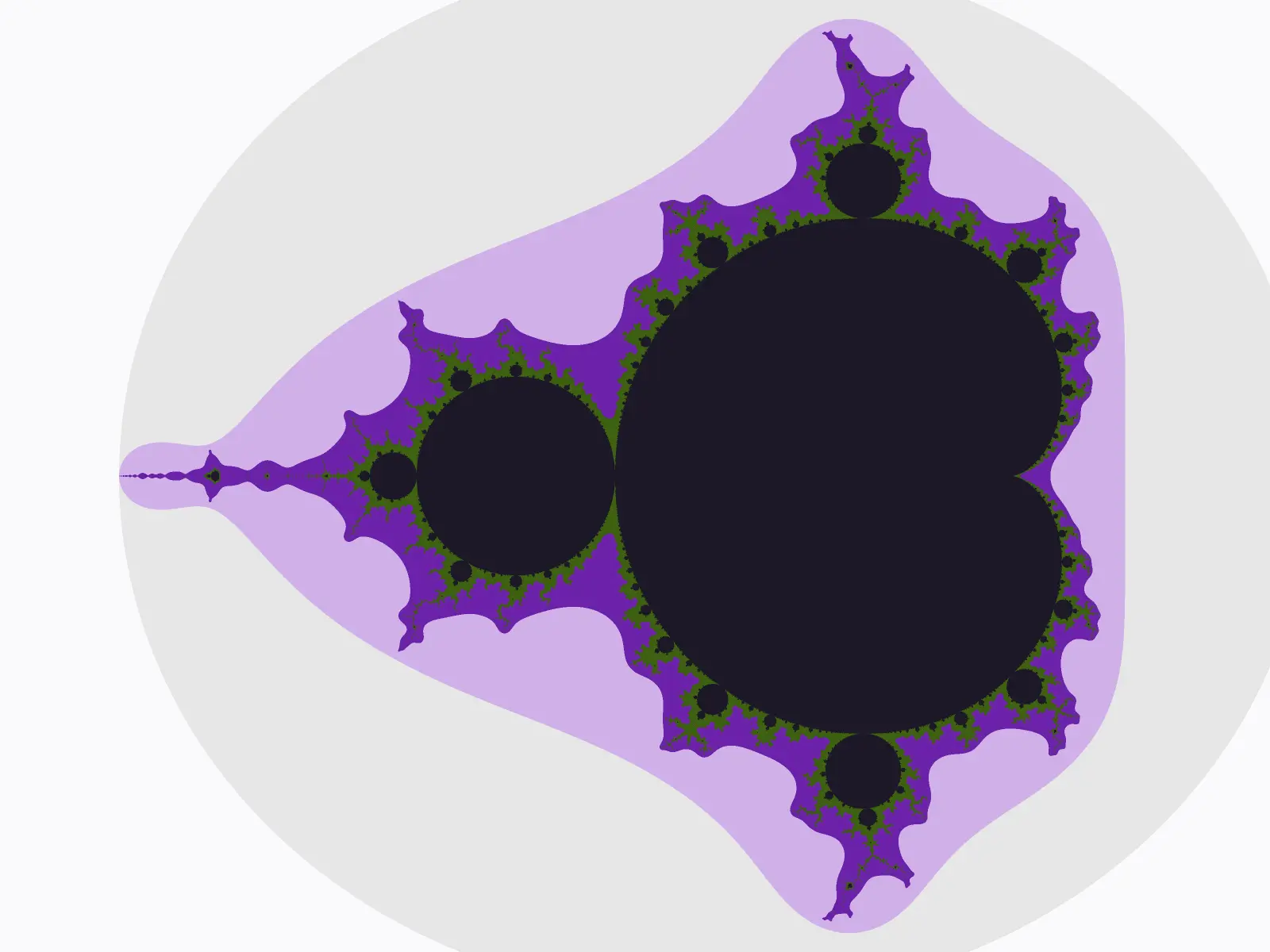
Puzzles, Fractals & Math Toys
Recreational mathematics a program can check: walks over bridges, number squares, sliding tiles, paper strips and the Mandelbrot set. 5 entries
Latest entries
- Probability Playground
Monty Hall Problem: Standard Rules Make Switching Win 2 in 3
Under the standard rules, switching wins the Monty Hall problem 2 times in 3, because the host knows where the car is. See the count and 100,000-round runs.
Picture credit (illustration)
Illustration: Explorable Illusions. Generated schematic image — not a photograph, historical record, or test stimulus. Reuse: CC BY 4.0 (https://creativecommons.org/licenses/by/4.0/), to the extent any rights exist.
 Probability Playground
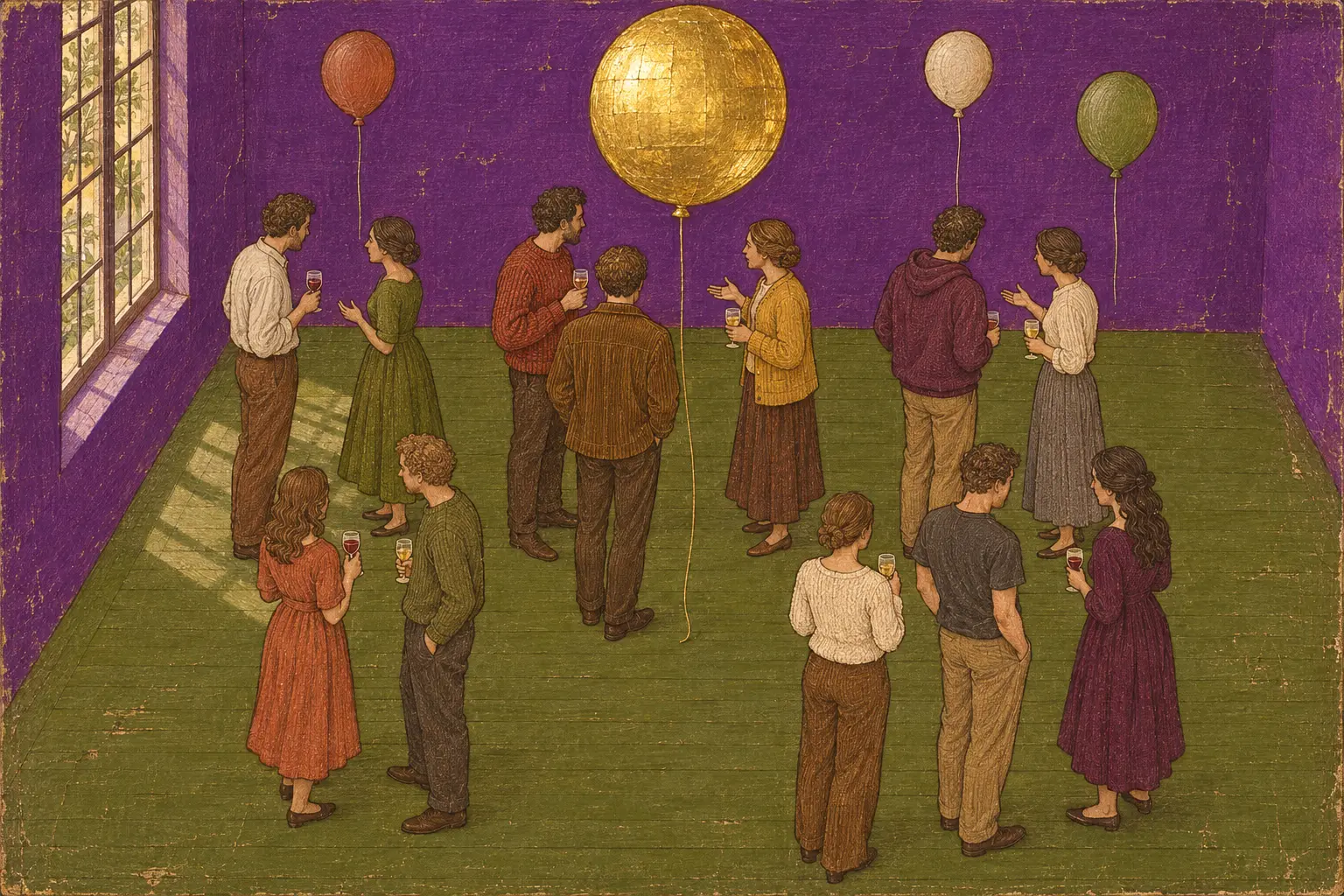
Birthday Paradox: 23 People Make 253 Pairs That Can Match
In a room of 23 people, a shared birthday is slightly more likely than not: 50.7%, exact, under the standard 365-day model. Count the 253 pairs and see why.
Picture credit (illustration)
Illustration: Explorable Illusions. Generated schematic image — not a photograph, historical record, or test stimulus. Reuse: CC BY 4.0 (https://creativecommons.org/licenses/by/4.0/), to the extent any rights exist.
 Probability Playground
Galton Board: On a Fair Board, the Bell Is a Count of Paths
On a fair 12-row Galton board, exactly 2,508 of 4,096 paths, about 61.2%, end in the middle three bins. Run the board and see where the bell comes from.
Picture credit
"Galton Quincunx, 1933 – Museum of Science and Industry (Chicago)" by Daderot — https://commons.wikimedia.org/wiki/File:Galton_Quincunx,_1933_-_Museum_of_Science_and_Industry_(Chicago)_-_DSC06712.JPG — CC0 1.0 (https://creativecommons.org/publicdomain/zero/1.0/); modified: cropped to a 4:3 frame on the lower half of the board (lower pin triangle, bead columns, Normal Frequency Curve), removing the upper half, the museum placard and the stand; a strip of a neighbouring crate remains at the right edge; scaled to 1600 x 1200 px
 Probability Playground
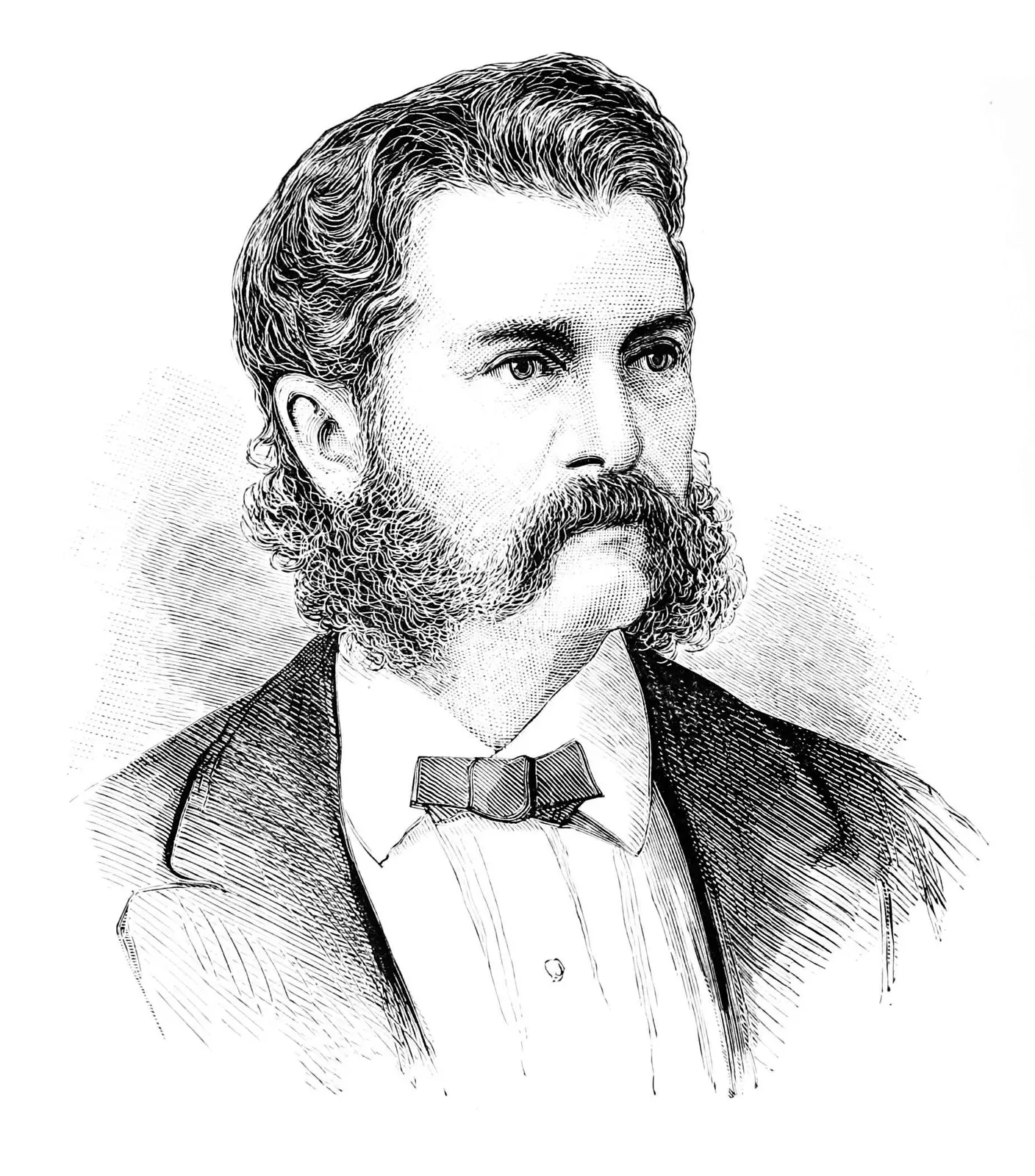
Benford’s Law: Why 1 Beats 9 as a Leading Digit
Of the first 1,000 powers of 2, 301 start with 1 and only 45 with 9. See the rule Newcomb printed in 1881, why powers of 2 obey it, and where it fails.
Picture credit
"Simon Newcomb (Popular Science Monthly, vol. 11, 1877)" by Unknown author — https://commons.wikimedia.org/wiki/File:PSM_V11_D530_Simon_Newcomb.jpg — Public domain (US: published 1877 in Popular Science Monthly, vol. 11; EU: presumed, as an anonymous engraving published in 1877, more than 70 years ago (no engraver named on the file page))
 Probability Playground
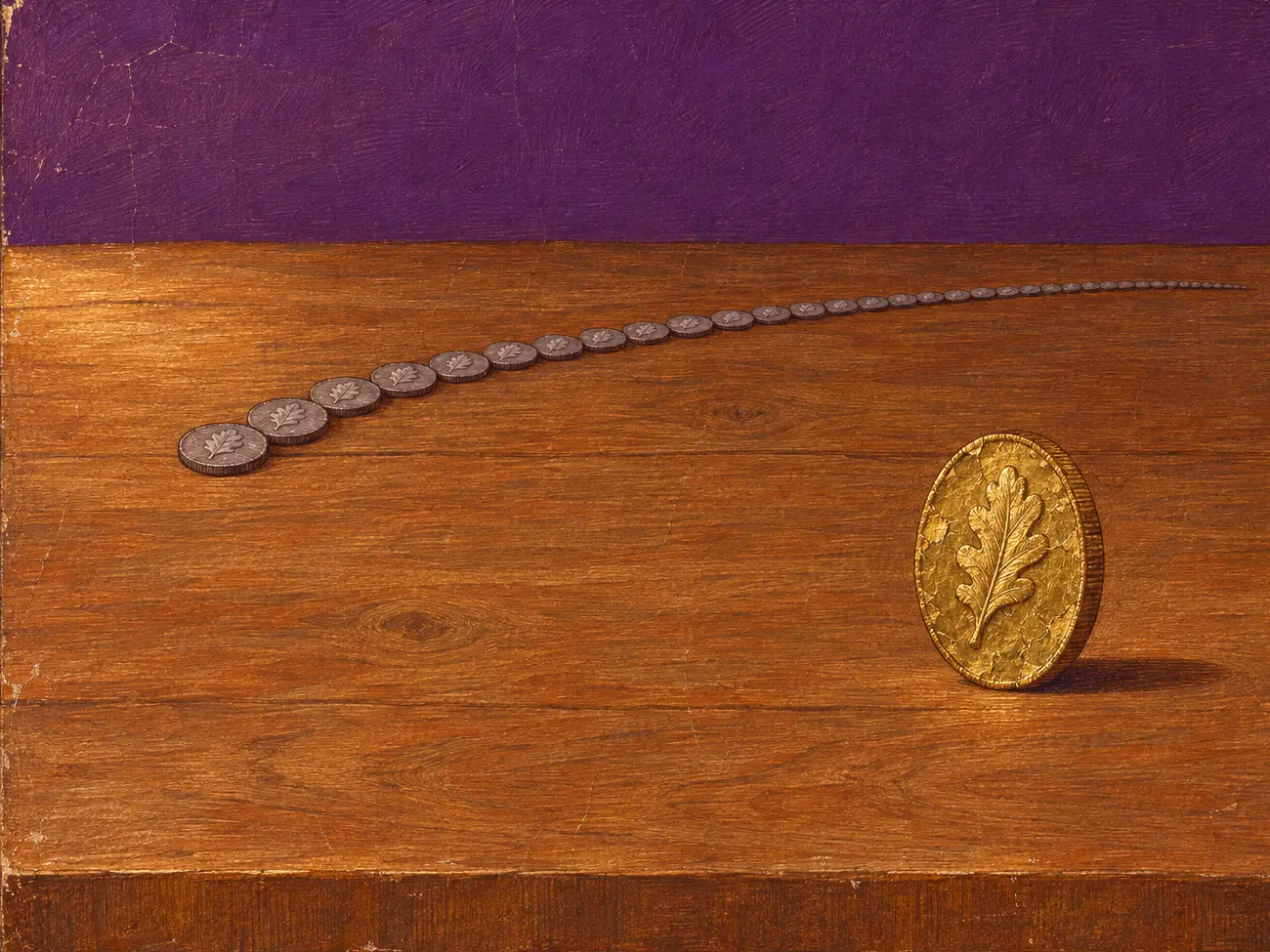
Gambler’s Fallacy: Independent Fair Flips Stay 50-50
A fair coin that just showed five heads is still 50-50 on the next flip: 1/2, exact. See why a streak feels due to break, and how common long runs really are.
Picture credit (illustration)
Illustration: Explorable Illusions. Generated schematic image — not a photograph, historical record, or test stimulus. Reuse: CC BY 4.0 (https://creativecommons.org/licenses/by/4.0/), to the extent any rights exist.
- Explorable Simulations
Conway’s Game of Life: A Glider Gun Fires Every 30 Steps
Conway’s Game of Life in four rules: step a five-cell glider across the grid, then watch the Gosper glider gun add one glider every 30 generations.
Picture credit
"Gosper glider gun at generation 90" by Explorable Illusions — https://explorableillusions.com/simulations/game-of-life/ — CC BY 4.0 (https://creativecommons.org/licenses/by/4.0/)
 Explorable Simulations
Murmuration: Starlings Track a Count, Not a Distance
In a starling murmuration, each bird reacts on average to about six or seven nearest neighbors, near or far (PNAS, 2008). Then run Reynolds’s three boids rules.
Picture credit
"Dance Of The Starlings" by Conni Nielsen — https://commons.wikimedia.org/wiki/File:Dance_Of_The_Starlings_(201781509).jpeg — CC BY 3.0 (https://creativecommons.org/licenses/by/3.0/)
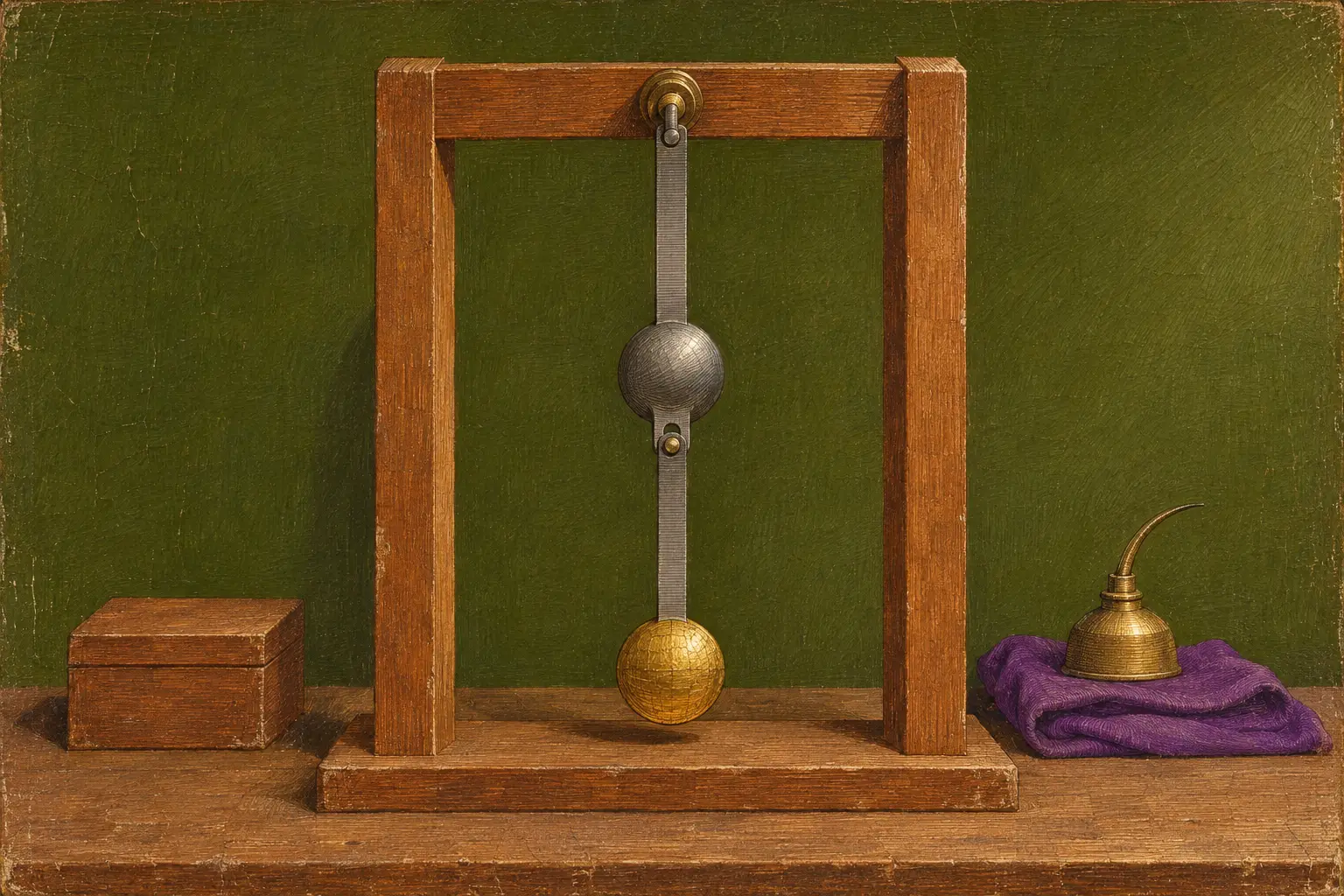 Explorable Simulations
Double Pendulum: In a Model, 120° Runs 0.001° Apart Diverge
In this page’s double pendulum model, two swings released 0.001° apart from 120° are over 10° apart after 9.4 s. From 5°, they stay in step for a full minute.
Picture credit (illustration)
Illustration: Explorable Illusions. Generated schematic image — not a photograph, historical record, or test stimulus. Reuse: CC BY 4.0 (https://creativecommons.org/licenses/by/4.0/), to the extent any rights exist.
Something impossible
Lands on one of the 18 entries. Without scripts it opens Seven Bridges of Königsberg: No Walk Crosses Each Once.
Search the entries
Searches entry titles, their one-line descriptions and section names. What you type stays on this page.
Search needs scripts turned on; the four sections above list every entry.