Probability Playground
Counterintuitive probability puzzles worked out exactly, then checked against seeded simulation runs; teaching only, never betting advice.
5 entries · the first card is where to start
 Probability Playground
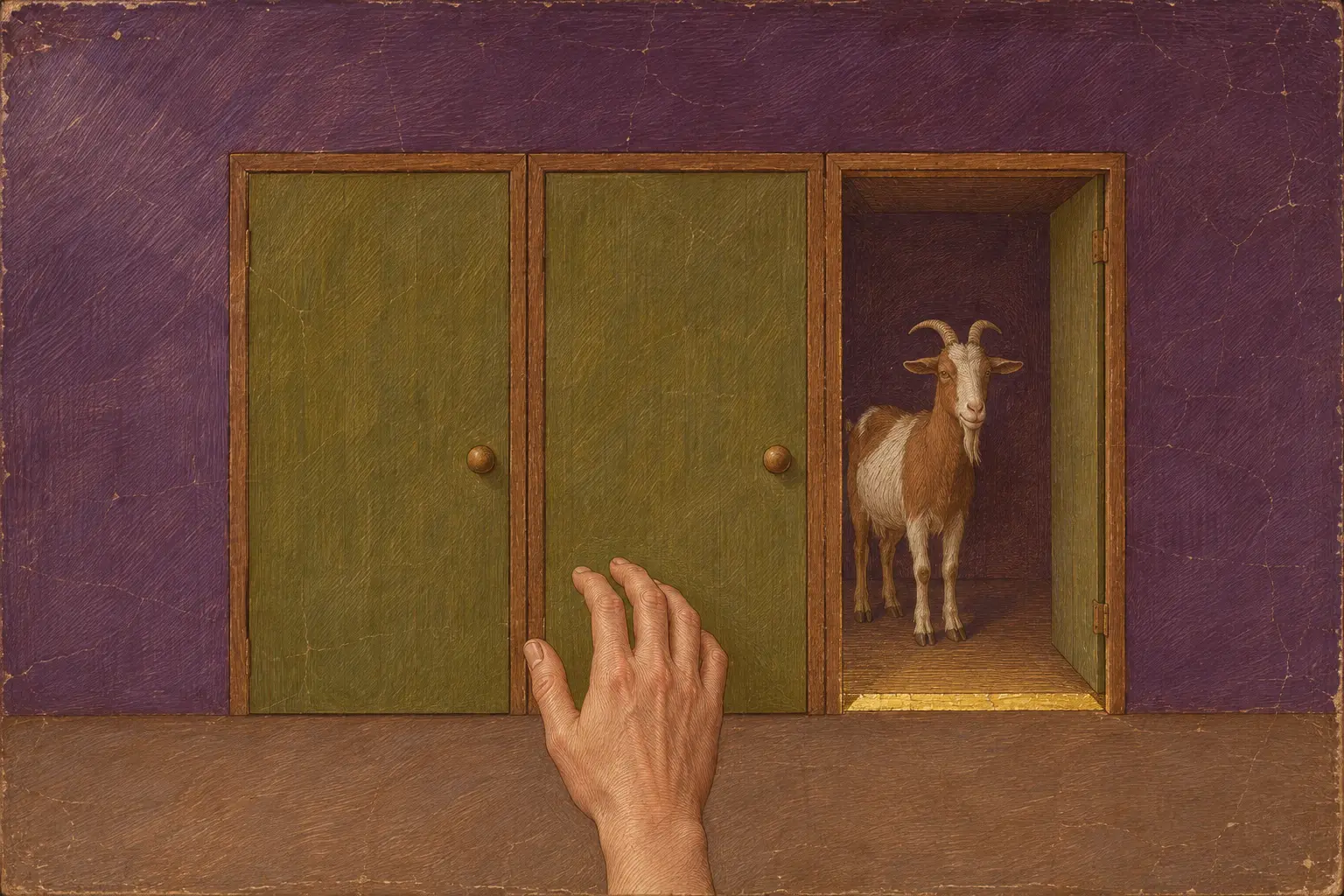
Monty Hall Problem: Standard Rules Make Switching Win 2 in 3
Under the standard rules, switching wins the Monty Hall problem 2 times in 3, because the host knows where the car is. See the count and 100,000-round runs.
Picture credit (illustration)
Illustration: Explorable Illusions. Generated schematic image — not a photograph, historical record, or test stimulus. Reuse: CC BY 4.0 (https://creativecommons.org/licenses/by/4.0/), to the extent any rights exist.
 Probability Playground
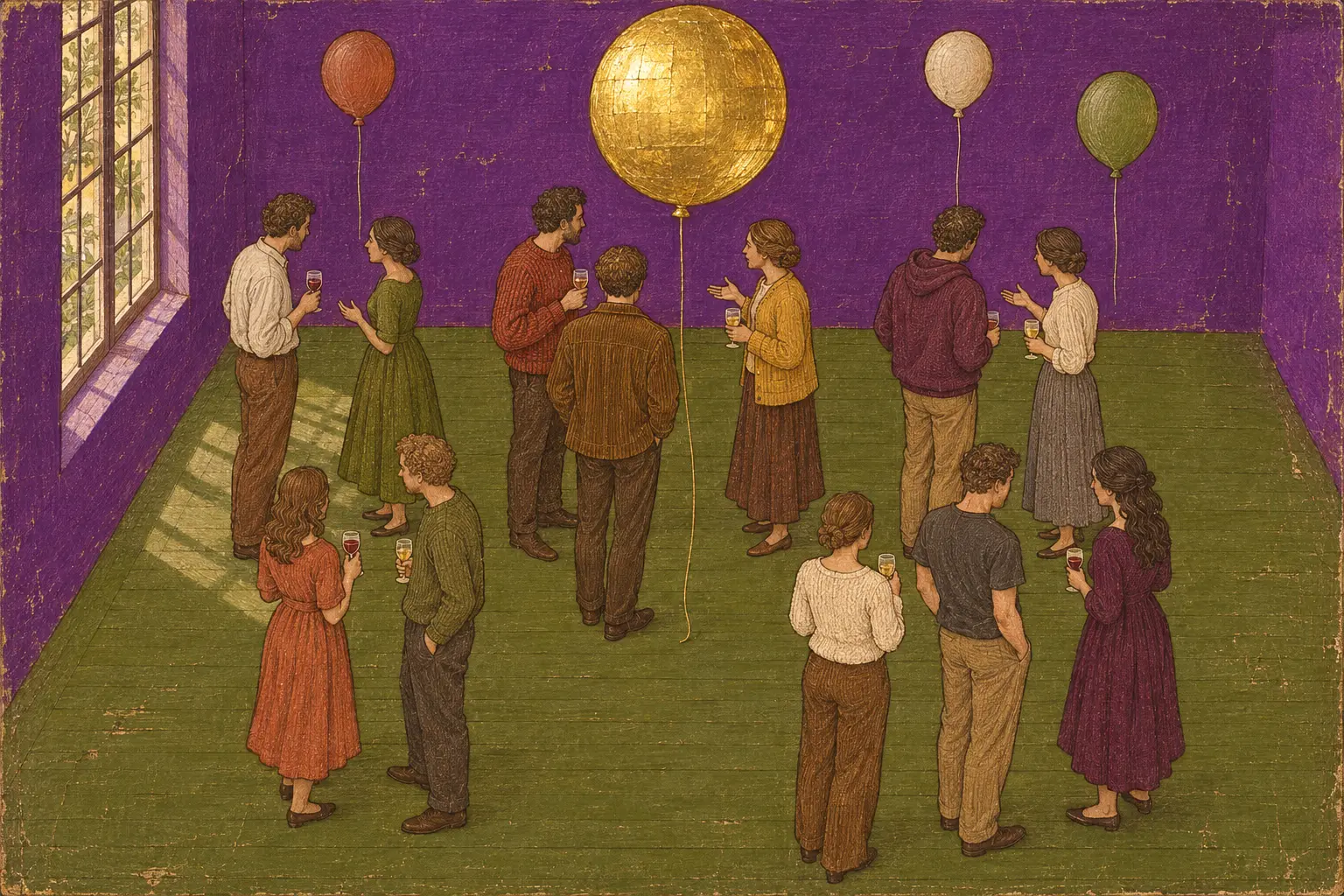
Birthday Paradox: 23 People Make 253 Pairs That Can Match
In a room of 23 people, a shared birthday is slightly more likely than not: 50.7%, exact, under the standard 365-day model. Count the 253 pairs and see why.
Picture credit (illustration)
Illustration: Explorable Illusions. Generated schematic image — not a photograph, historical record, or test stimulus. Reuse: CC BY 4.0 (https://creativecommons.org/licenses/by/4.0/), to the extent any rights exist.
 Probability Playground
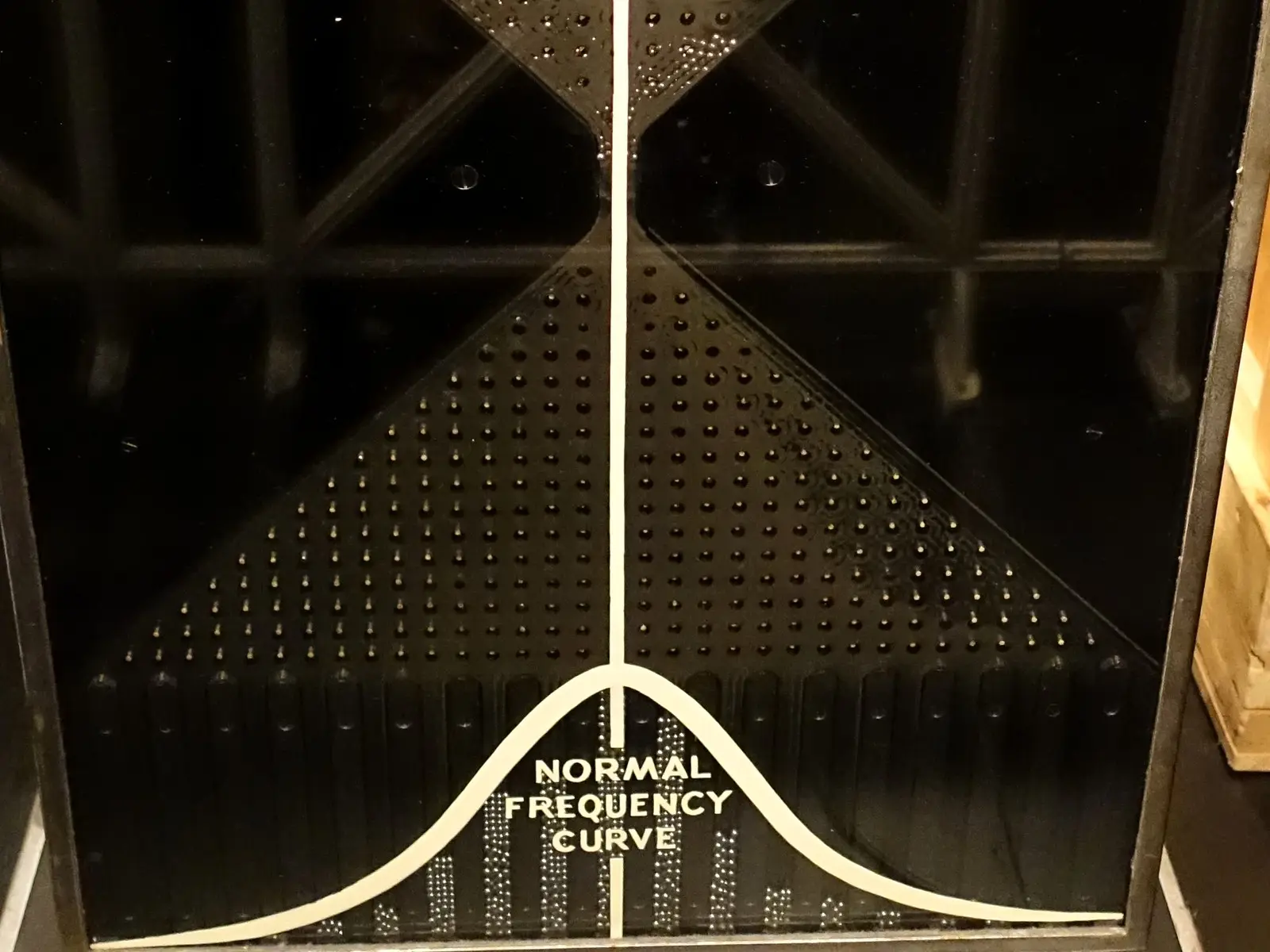
Galton Board: On a Fair Board, the Bell Is a Count of Paths
On a fair 12-row Galton board, exactly 2,508 of 4,096 paths, about 61.2%, end in the middle three bins. Run the board and see where the bell comes from.
Picture credit
"Galton Quincunx, 1933 – Museum of Science and Industry (Chicago)" by Daderot — https://commons.wikimedia.org/wiki/File:Galton_Quincunx,_1933_-_Museum_of_Science_and_Industry_(Chicago)_-_DSC06712.JPG — CC0 1.0 (https://creativecommons.org/publicdomain/zero/1.0/); modified: cropped to a 4:3 frame on the lower half of the board (lower pin triangle, bead columns, Normal Frequency Curve), removing the upper half, the museum placard and the stand; a strip of a neighbouring crate remains at the right edge; scaled to 1600 x 1200 px
 Probability Playground
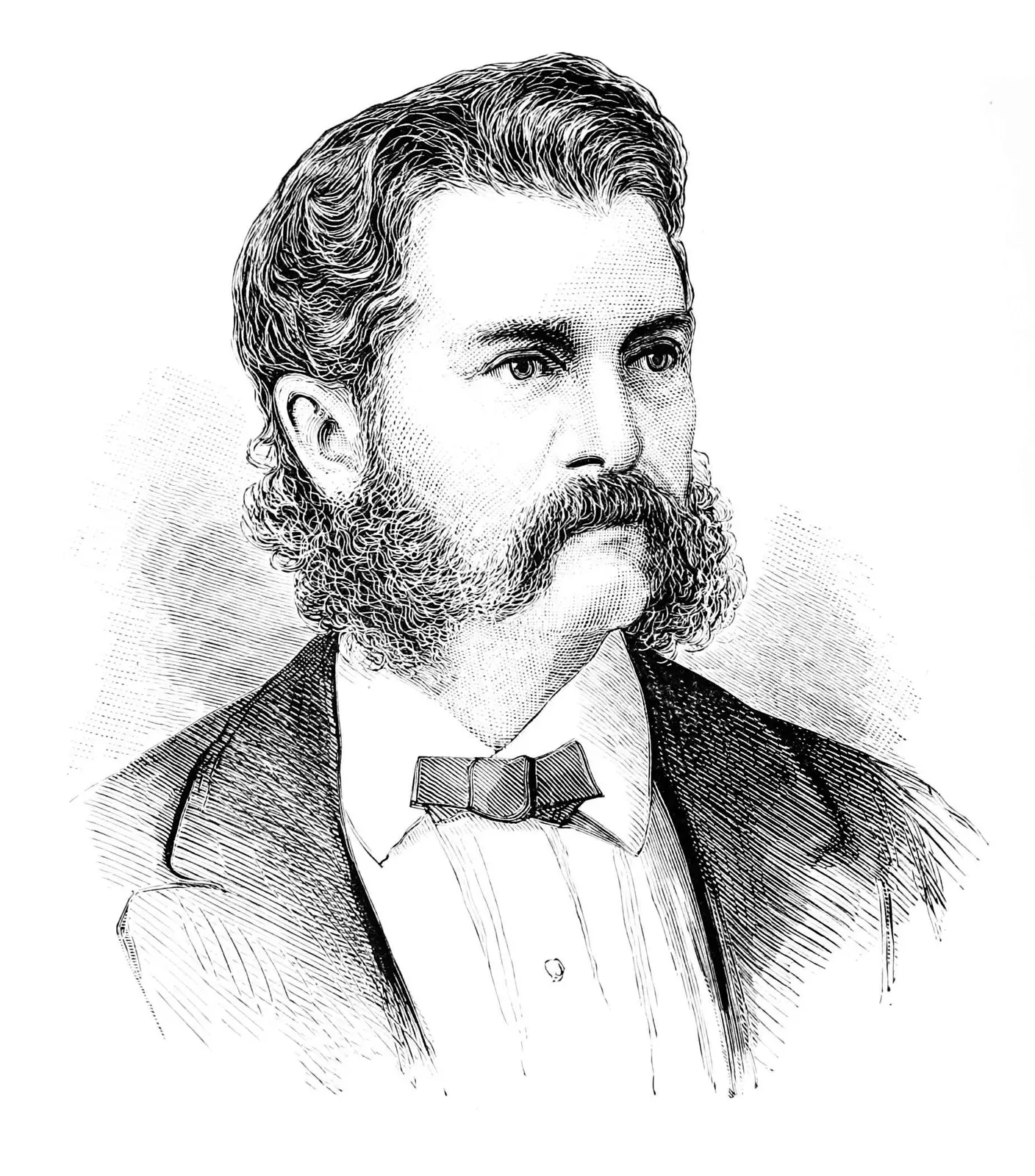
Benford’s Law: Why 1 Beats 9 as a Leading Digit
Of the first 1,000 powers of 2, 301 start with 1 and only 45 with 9. See the rule Newcomb printed in 1881, why powers of 2 obey it, and where it fails.
Picture credit
"Simon Newcomb (Popular Science Monthly, vol. 11, 1877)" by Unknown author — https://commons.wikimedia.org/wiki/File:PSM_V11_D530_Simon_Newcomb.jpg — Public domain (US: published 1877 in Popular Science Monthly, vol. 11; EU: presumed, as an anonymous engraving published in 1877, more than 70 years ago (no engraver named on the file page))
 Probability Playground
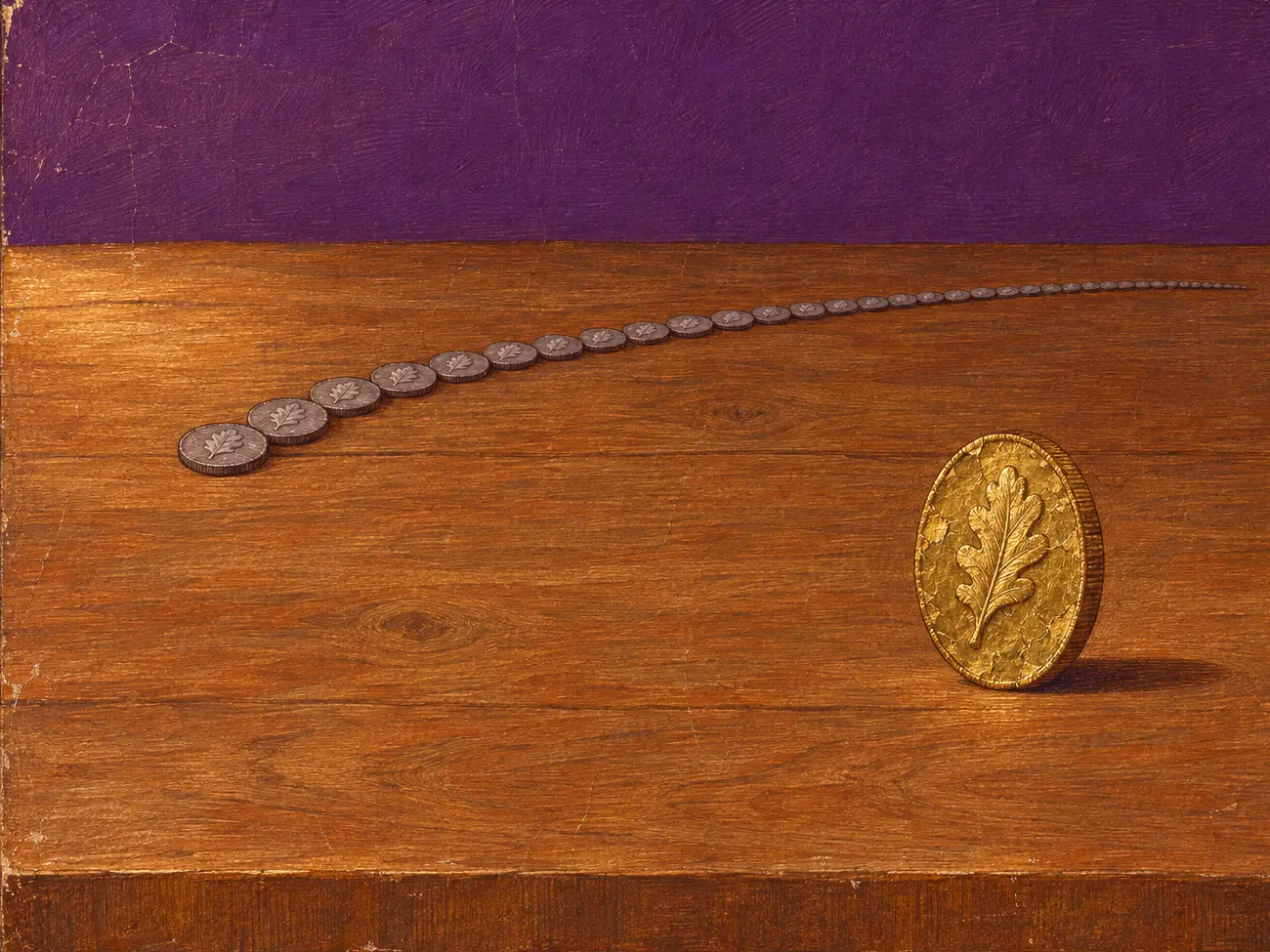
Gambler’s Fallacy: Independent Fair Flips Stay 50-50
A fair coin that just showed five heads is still 50-50 on the next flip: 1/2, exact. See why a streak feels due to break, and how common long runs really are.
Picture credit (illustration)
Illustration: Explorable Illusions. Generated schematic image — not a photograph, historical record, or test stimulus. Reuse: CC BY 4.0 (https://creativecommons.org/licenses/by/4.0/), to the extent any rights exist.